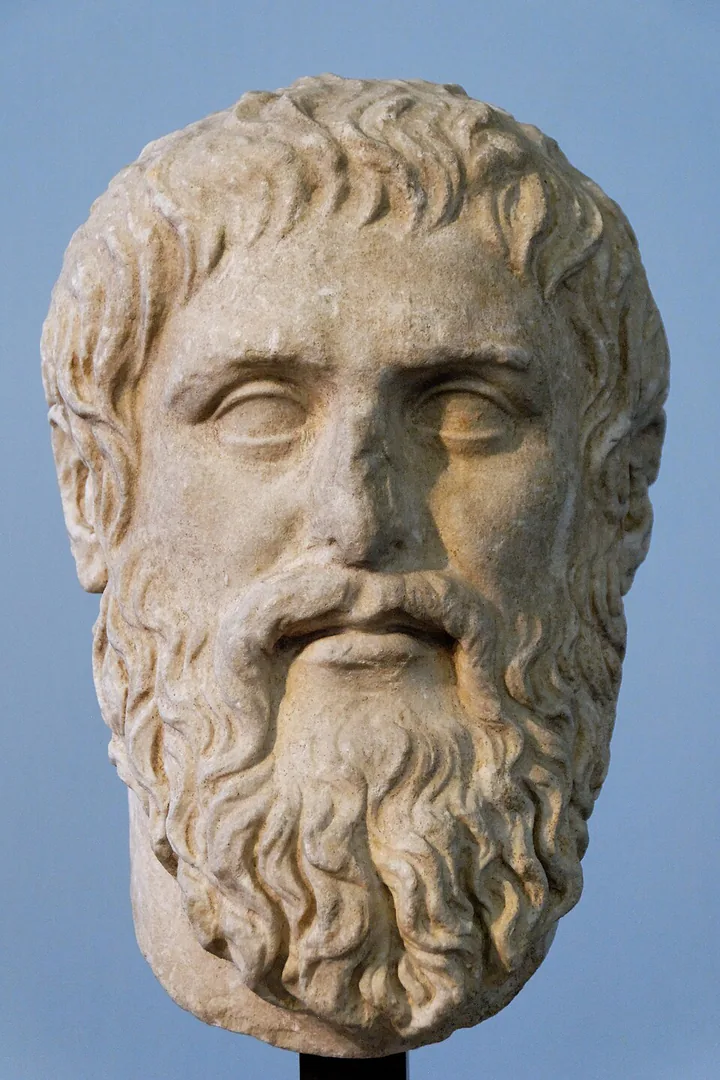

Permanent scholarly record
Plato
c. 428/427–348/347 BCE
Plato was a fourth-century BCE Athenian philosopher whose dialogues stage philosophical inquiry as an encounter with questions, objections, and revisions rather than a list of settled doctrines. His Euthyphro supplies the course's classic pressure on divine-command ethics: is an action good because the gods approve it, or do they approve it because it is good? The question matters because it asks whether authority can make a moral claim true by itself. Plato was also Aristotle's teacher, but the course uses him principally as the author of this problem: students can test whether a command, institutional policy, or AI system has reasons that survive beyond its source's power.
In PHIL 123
Why this thinker matters
Plato supplies the Euthyphro problem that lets students examine the grounds of moral and institutional authority.
- Primary texts
- Plato Euthyphro