
Permanent scholarly record
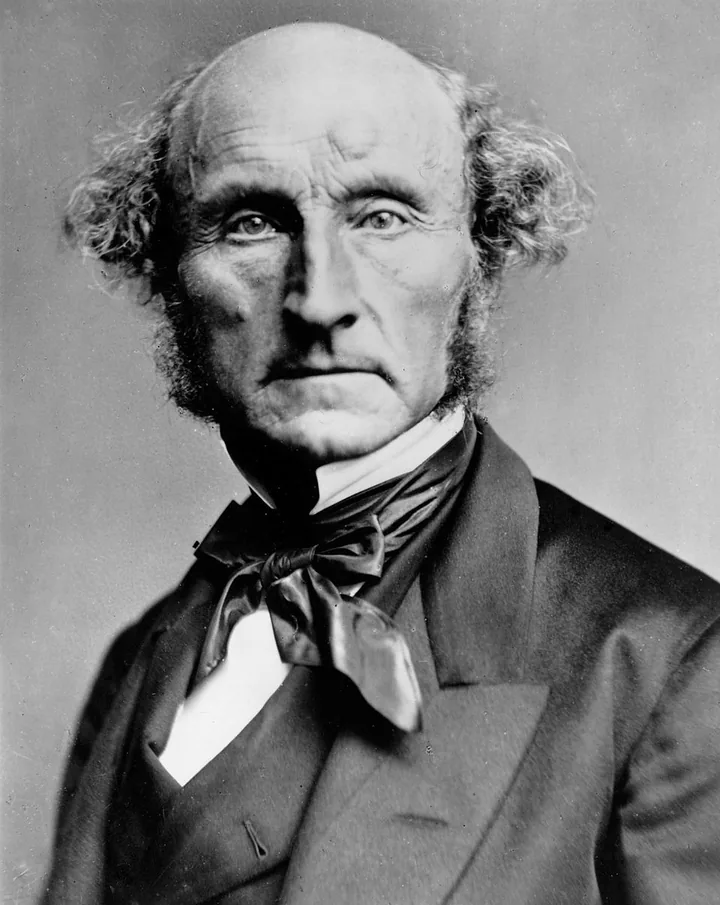
John Stuart Mill
1806–1873
John Stuart Mill was a nineteenth-century British philosopher, political economist, and reformer who developed a version of utilitarianism that distinguishes the quality as well as the quantity of pleasures. In Utilitarianism, he connects human flourishing to higher capacities such as thought, imagination, and moral feeling. In On Liberty, he defends individuality and limits on coercion through the harm principle. Mill retains welfare as utilitarianism's ultimate standard while giving durable moral rules, justice, liberty, and personal development greater weight in practical judgment. For AI ethics, he helps students test whether a convenient system merely raises short-term satisfaction or also protects the capacities and freedoms education should cultivate.
In PHIL 123
Why this thinker matters
Mill connects welfare with liberty, higher capacities, and stable secondary principles.
- Primary texts
- Utilitarianism Mill · On Liberty