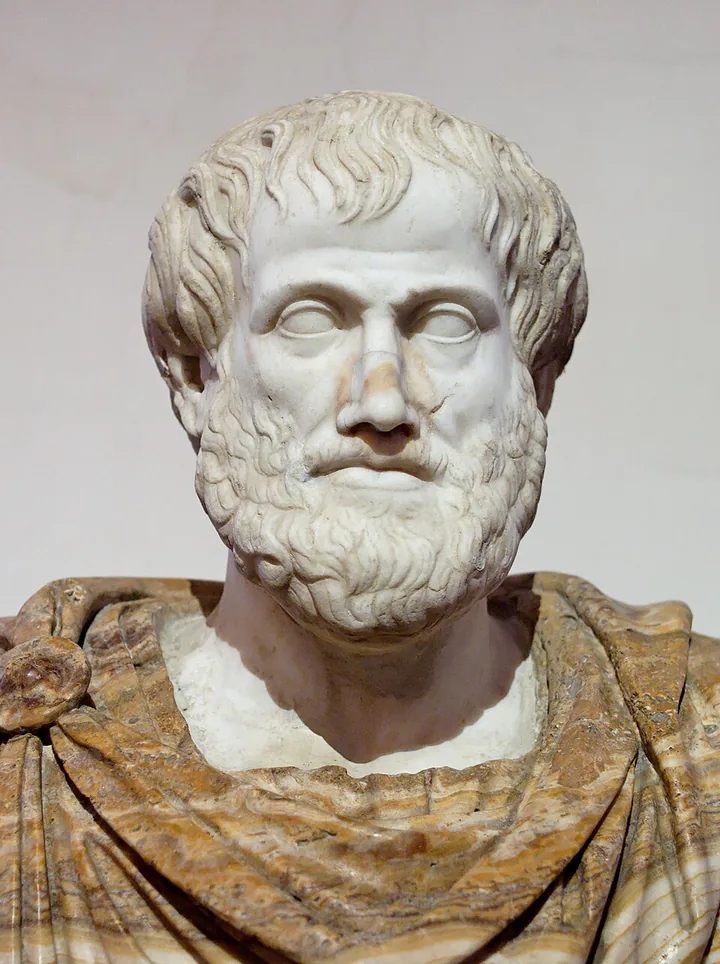

Permanent scholarly record
Aristotle
384–322 BCE
Aristotle was a fourth-century BCE Greek philosopher who studied in Plato's Academy before founding the Lyceum in Athens. His surviving works range across logic, biology, politics, rhetoric, and ethics. In the Nicomachean Ethics, he asks what it is for a human life to go well and argues that character is formed through repeated action, practical judgment, and relationships within a community. His account makes attention to a particular situation part of ethical competence, so it cannot function as a decision machine. That makes him a useful, and demanding, interlocutor for questions about whether AI assistance strengthens or erodes a person's capacity to judge and act well.
In PHIL 123
Why this thinker matters
Aristotle moves the chapter from isolated AI choices to habits, flourishing, and practical wisdom.
- Primary texts
- Nicomachean Ethics